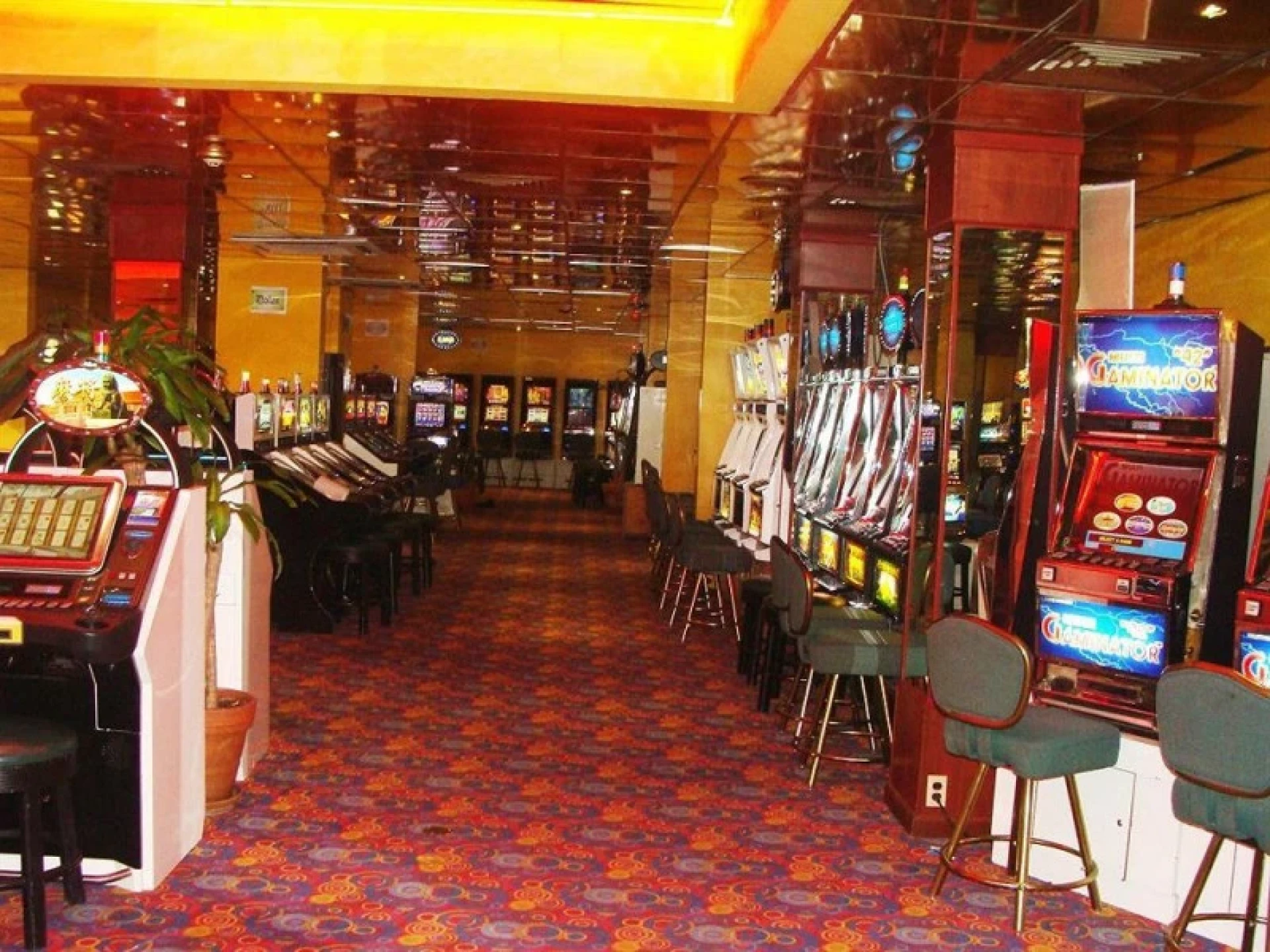
Standalone casinos have become a significant part of the gaming landscape, offering unique experiences tailored to the needs of players seeking singular entertainment options. These establishments are often distinguished by their independent operational status, setting them apart from casino resorts or integrated entertainment complexes, providing a focused gaming atmosphere. For more insights into the thriving casino culture, you can visit standalone casinos liuzhou.co.uk.

Introduction to Standalone Casinos
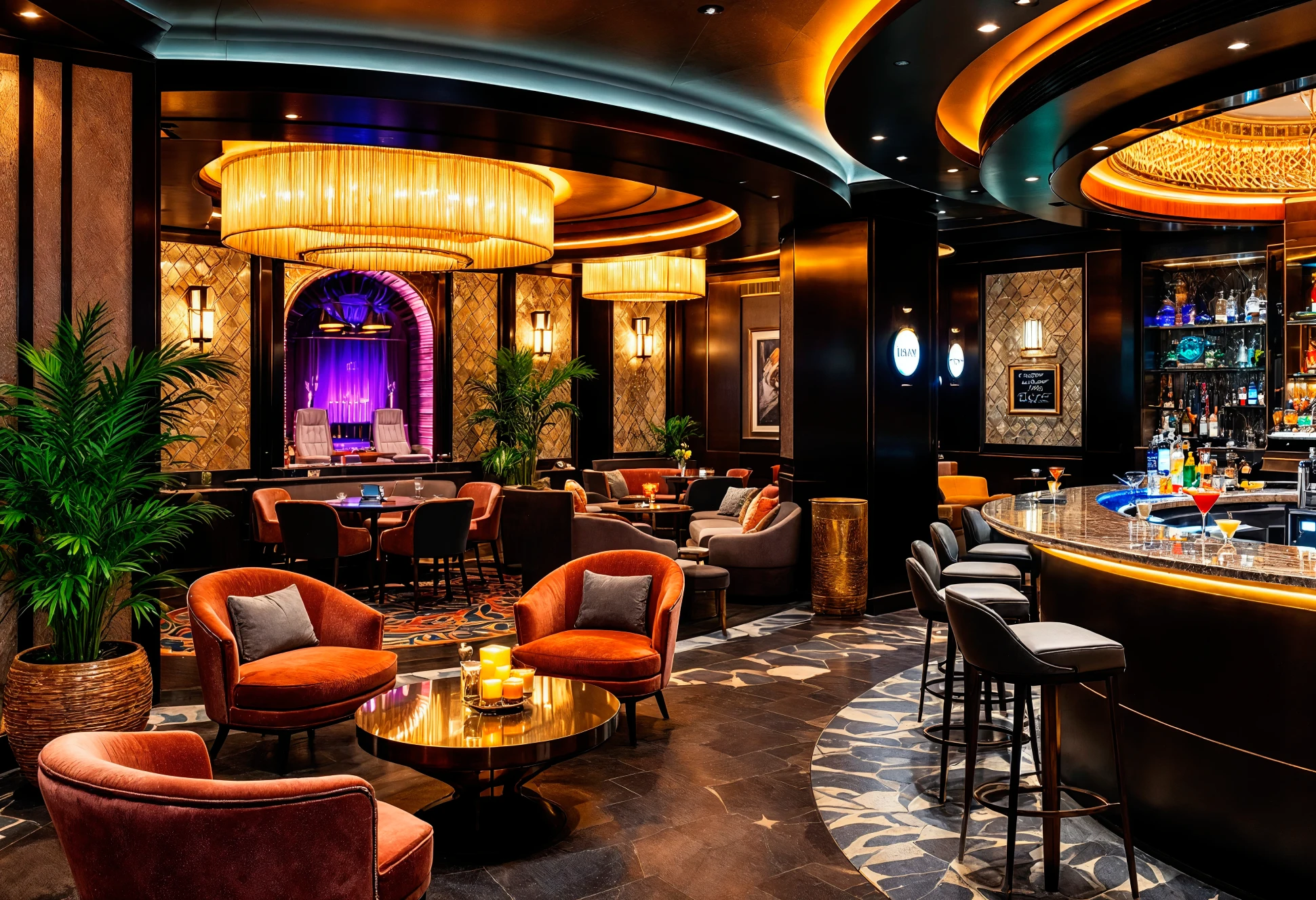
In recent years, standalone casinos have gained popularity across various regions, with their emergence signifying a shift in the gaming industry. Unlike larger casino resorts that combine multiple amenities (like hotels, dining, and shopping), standalone casinos focus exclusively on gaming. This concentration allows them to create tailored experiences that cater specifically to casino enthusiasts.
The Unique Appeal of Standalone Casinos
One of the primary attractions of standalone casinos is their intimate and immersive environment. Players can engage more deeply with the gaming experience without the distractions often found in larger venues. Standalone casinos typically feature:
- Variety of Games: From classic table games like blackjack and poker to an array of slot machines, standalone casinos often have a well-curated selection of games.
- Personalized Service: With a smaller number of guests compared to large resorts, staff at standalone casinos can often provide a more personalized experience, enhancing customer satisfaction.
- Unique Themes: Many standalone casinos incorporate unique themes that resonate with the local culture, making the gaming experience more relatable and exciting for visitors.
Economics of Standalone Casinos
The financial model of standalone casinos can differ significantly from that of larger resorts. The following factors play a significant role in their economic structure:
- Lower Operational Costs: Without the added expenses of managing a hotel or extensive food and beverage services, standalone casinos can lower operational costs, which may allow them to offer more competitive gaming odds and promotions.
- Targeted Marketing: Standalone casinos often excel in targeting specific demographics through tailored promotions and loyalty programs, focusing their marketing efforts on local and regional players.
- Regulatory Flexibility: Depending on local laws, standalone casinos can often navigate regulations more smoothly compared to larger multimillion-dollar integrated resorts.
Regional Variations
Standalone casinos can be found in various regions, each bringing unique cultural elements that influence their design and operation:
North America
In the United States and Canada, standalone casinos are common in many cities and rural areas alike. These establishments may focus on providing a rural retreat or a small urban haven, drawing on local vibes and preferences to attract patrons.

Europe
European standalone casinos often offer a mix of traditional gaming and modern entertainment options. Countries like Monaco perfectly illustrate the grandiosity of standalone casinos, while places like the UK focus on a more casual yet engaging atmosphere for local players.
Asia
Asian countries, particularly those navigating the complexities of gambling legislation, often see standalone casino establishments emerging in tourist hotspots. These venues cater to both local enthusiasts and international travelers seeking authentic gaming experiences.
Impact of Technology on Standalone Casinos
Technology has dramatically transformed the gambling experience, and standalone casinos are no exception. Innovations such as electronic table games, mobile betting applications, and advanced slot machines have changed the landscape and attracted a younger audience. Here are key ways technology influences standalone casinos:
- Enhanced Player Experience: Technological advancements have led to more engaging gaming experiences. Players can now enjoy interactive table games powered by sophisticated software that enhances gameplay.
- Online Integration: Many standalone casinos are beginning to offer online gaming options, allowing players to enjoy their favorite games from home while providing seamless transitions between virtual and physical gaming environments.
- Loyalty Programs: With the use of technology, standalone casinos can develop sophisticated loyalty programs that track player preferences and spending patterns, enabling highly personalized rewards and promotions.
The Future of Standalone Casinos
Looking ahead, the future of standalone casinos appears bright. As they continue to evolve and adapt to changing player preferences and technological advancements, we can expect:
- Increased Competition: As more standalone casinos emerge globally, they will likely compete aggressively on service, game variety, and player experience, driving innovation.
- Expansion of Online Presence: The merging of online and offline gambling experiences will likely see standalone casinos strengthening their digital footprints, potentially introducing remote gaming options and interactive features that can be enjoyed from a distance.
- Regulatory Changes: As gambling laws evolve, standalone casinos may find new opportunities for growth, particularly in previously restrictive markets.
Conclusion
Standalone casinos are carving a niche that champions their unique appeal, focusing on gaming without the distractions of larger integrated resorts. As they continue to evolve alongside technological advancements and shifting player preferences, these establishments will play a crucial role in shaping the future of the gaming industry. Their emphasis on personalized experiences and community-focused engagement makes them an essential and vibrant part of the contemporary betting landscape.